



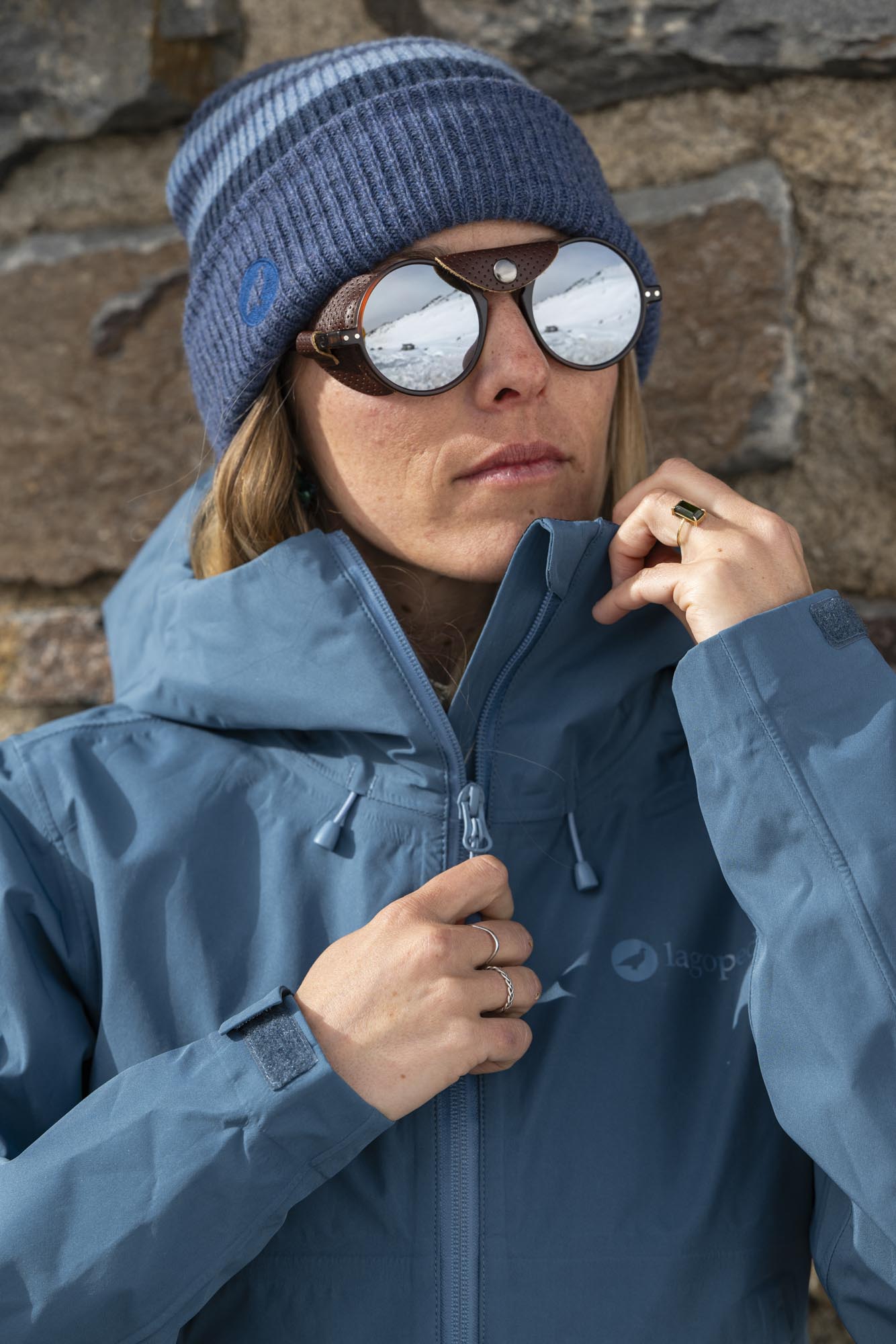

Which jacket should you choose for your hikes? Softshell, Hardshell or Windbreaker?
|
Cart
To go further:
|
Summer hiking means enjoying nature at its best... but also facing very variable conditions: heat, sudden rain, wind at altitude, or cool nights. To avoid unpleasant surprises, being well equipped is essential, even for a simple walk in the mid-mountains.
And if, on top of that, these clothes are responsibly made, that’s even better. Because traveling light also means traveling with a reduced impact.
A softshell jacket for men or women is designed to offer intermediate protection between a simple windbreaker and a waterproof hardshell. It is:
Water-repellent, but not waterproof,
Partial to full windproof,
Highly breathable, often stretchy to follow movements.
It’s the ideal option for prolonged efforts, technical terrain, or dry days with cool wind.
UKPIK: lighter, ideal for mid-season or as a mid-layer in very cold weather. Tight weave, tailored fit, maximum comfort.
TENGMALM: the ultimate alpine softshell. Very technical, warm, wind-resistant, designed for mountain travel. Perfect as an outer layer in cold, dry, and windy conditions.
When the weather is uncertain or very wet, the hardshell becomes essential. It protects against rain, snow, and strong wind. It relies on a waterproof and breathable membrane, combined with a 3-layer construction.
This type of jacket is recommended for long-distance hiking, summer mountaineering, multi-day treks, or exposed destinations.
EVE: our bestseller, versatile (mountaineering, skiing, hiking, etc.), waterproof (20K), breathable, durable. Compatible with a harness, perfect for outdoor activities in any season.
TETRAS: the waterproof jacket (20K) designed for hiking. Lighter than the EVE jacket (480g vs 580g), it is also breathable, water-repellent, and windproof.
The windbreaker jacket is the lightest of technical jackets. It does not replace a hardshell but fits into any bag to protect against cold winds on ridges, descents, or during a break. It is a supplementary thermal barrier without added weight.
The technical fleece jackets, often associated with the second layer, can also serve as an outer layer in summer, if the weather is stable: no rain, no strong wind, no storm. It’s an excellent option for hiking light in the Alps or the Pyrenees in calm weather.
In colder or unstable conditions, it becomes a thermal insulation, placed between the base layer and the hardshell.
In the mountains, temperature variations can be very marked during the same day: from -5°C early in the morning to over 25°C in full sun, depending on the altitude.
At dawn, especially above 2500 meters, the thermometer can drop below zero.
In the middle of the day, it is common to reach 20 to 25°C even at altitude, if the sun is out.
In the evening or if the wind picks up, the coolness sets in quickly.
To cope with these variations, it is advised to layer several pieces: a technical t-shirt, a warm layer like a fleece, and a windproof or waterproof jacket. This allows you to easily adjust your protection level throughout the day.
Choosing a technical jacket is also an ecological choice. Many jackets on the market still use PFAS (perfluorinated substances), which are toxic and persistent in the environment.
At Lagoped, all our jackets are guaranteed PFAS-free and made in Europe from recycled materials.
Choosing a hiking jacket means anticipating weather, effort, terrain, and personal commitment. It also means making a sustainable choice, opting for durable, repairable clothing without technical compromise.
At Lagoped, every jacket is designed with one goal: to equip you with high standards, without unnecessarily impacting the environment.


