



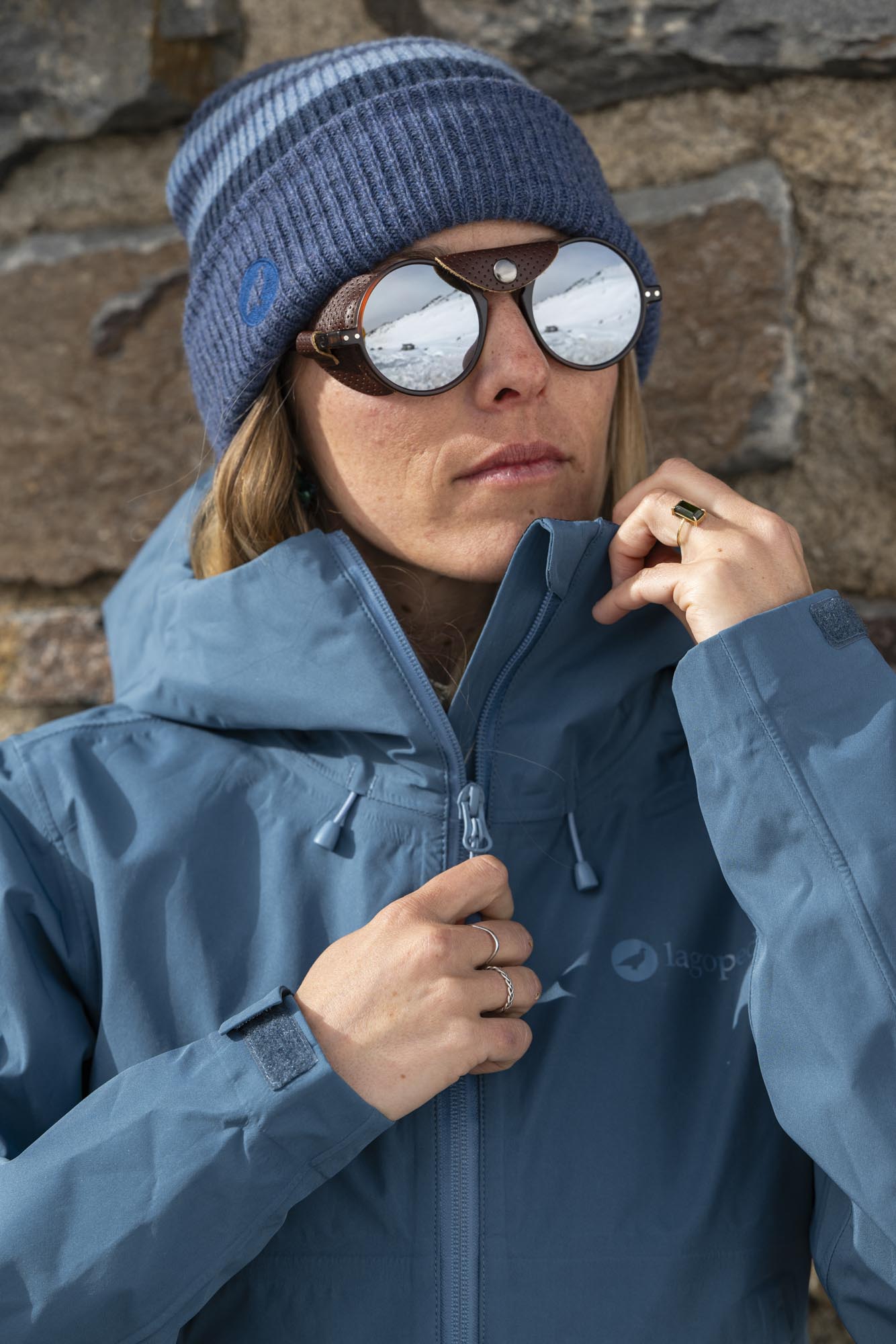
Men’s fleece jackets
Retrouvez nos polaires techniques ou vallée, fabriquées en Europe, exclusivement à partir de matières recyclées






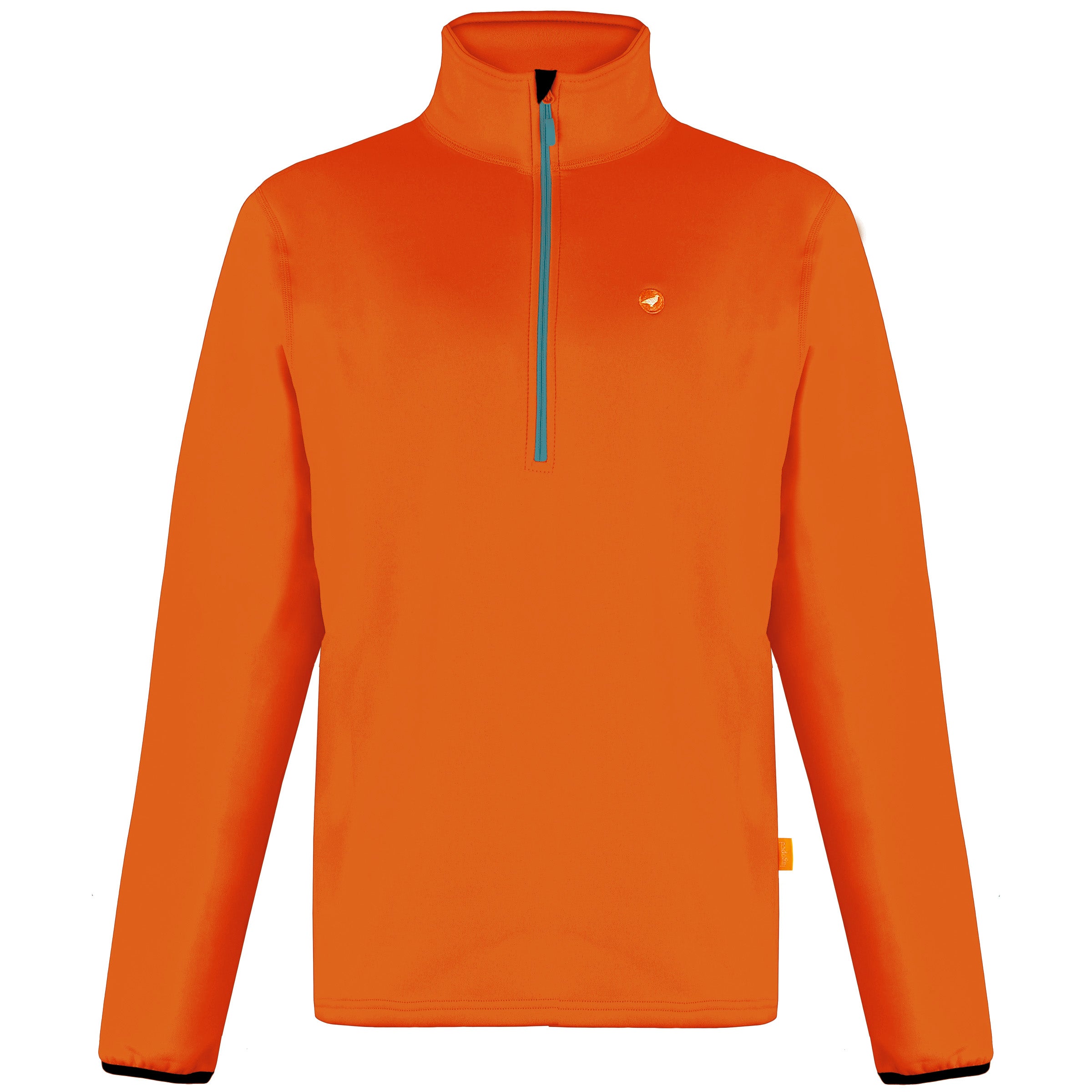
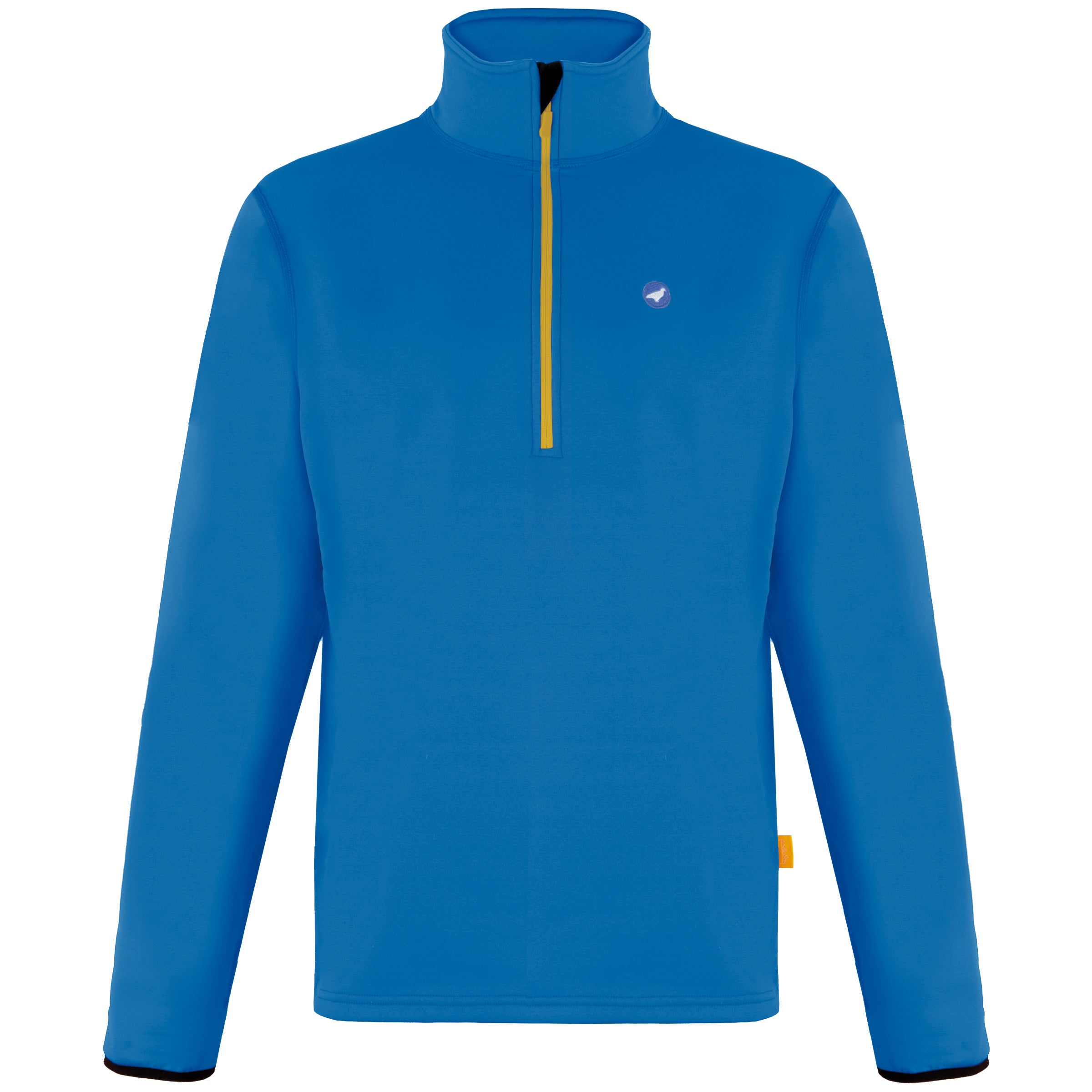





Choosing a men's fleece is above all about choosing the right thickness for the intended use. A fleece that is too thin will not be enough when stopping at a mountain hut, while one that is too thick will make you sweat during exertion. Lagoped men's fleeces cover the entire spectrum, from a compressible microfleece to a thick fleece for the coldest days, made in the European Union from 100% recycled materials, without PFAS.
Understanding thickness levels to choose the right fleece
The weight of a fleece, expressed in grams per square metre, directly determines its level of insulation. A lightweight fleece of around 100 g/m² is suitable for active use when you are moving continuously. A midweight fleece, around 200 g/m², covers most uses in hiking and the mountains. Above 300 g/m², the fleece becomes a warm layer designed for breaks and the coldest days rather than sustained effort.
Microfleeces: lightweight and compressible
The JULEECE Men's Microfleece and DOHLE Men's Microfleece are designed for active use where weight and packability matter as much as warmth. Compressible, they fit easily into a backpack and work as a lightweight midlayer under a waterproof jacket, or as a standalone layer during a shoulder-season outing when the cold remains moderate.
Technical grid fleeces: breathability and thermal regulation
The unisex PHANTOM Technical Mountain Fleece and its hooded version, the PHANTOM HOODIE, use a grid construction, a textured weave that improves airflow while retaining warmth. This construction is particularly suitable for activities where effort levels vary considerably—sustained climbing followed by a break at the summit—without requiring you to constantly change layers.
Thick fleeces: a warm layer for cold conditions
The RYPA Men's Mountain Fleece sits at the warmest end of the range, with a high weight designed for days when the cold sets in for a long time, in a mountain hut, at a bivouac, or during long breaks at altitude. This is the fleece to choose when pure insulation takes priority over breathability.
Hooded and sleeveless fleeces: for specific uses
The HOODEECE Men's Hooded Fleece provides additional protection around the neck and head, which is useful during outdoor breaks or in cold wind. The unisex SWYPA Sleeveless Fleece follows a different approach: it insulates the torso, the area that loses the most heat, while keeping the arms free and breathable—a compromise appreciated during dynamic hiking or climbing, where shoulder mobility is a priority.
Valley fleeces: between mountain use and everyday wear
Not all Lagoped fleeces are designed for high-altitude mountain use. The unisex SWEECE Fleece Sweatshirt, CARCAJOU Unisex Crewneck Sweatshirt, and PIKA Men's Lightweight Sweater are intended for more everyday use, in the city or at the end of the day after an outing, with a softer fabric and a less technical cut. The SWEAREC Unisex Hooded Sweatshirt, made from recycled cotton, completes this category for those looking for a comfortable everyday garment without compromising the brand's manufacturing commitments.
Why weight alone is not enough to make your choice
Weight provides a useful indication, but it does not tell the whole story. Individual metabolism plays an important role: two people exposed to the same conditions may have very different warmth requirements. Activity intensity also matters: a fleece suitable for a relaxed hike may become uncomfortable during sustained ski touring, where perspiration quickly builds up beneath a layer that is too insulating. Finally, a fleece never works alone: it is part of a layering system, between a technical base layer that wicks moisture and an outer layer that protects against wind and rain.
Recycled materials, European manufacturing, and a 5-year warranty
All Lagoped fleeces are made from recycled polyester derived from plastic bottles, spun and woven in Europe. Manufacturing is carried out entirely in the European Union, from yarn to finished garment, without the use of PFAS at any stage. This choice has a measurable impact: 80% of a garment's environmental impact is concentrated in the extraction of raw materials, and using recycled rather than virgin polyester directly reduces this share of its footprint.
Each product in the range has a PEF eco-score, an assessment based on 16 environmental criteria certified by PEF Trust. Lagoped is the first French textile brand to publish this indicator across its entire range. All fleeces come with a 5-year warranty and can be repaired—an uncommon commitment for a garment washed and used as regularly as a mountain fleece.
A fleece to complete your layering system
A fleece rarely works alone in the field. To build a complete layering system, explore the men's technical jackets, waterproof or softshell depending on the conditions, and the full range of men's hiking clothing for base layers and lower-body garments. Our guide to hardshell, softshell, or windbreaker jackets helps you choose the right outer layer for the type of outing.
Frequently asked questions about men's fleeces
How do you choose a men's fleece?
The first criterion is the intended use. For sustained activity where you are moving continuously, a lightweight microfleece such as the JULEECE or DOHLE helps prevent overheating. For mixed use—moderate effort followed by breaks at altitude—a technical grid fleece such as the PHANTOM offers a good balance between breathability and insulation. For the coldest days or long breaks in a mountain hut, a thicker fleece such as the RYPA is more appropriate. Individual metabolism also matters: someone who naturally runs warm during exertion may be comfortable with a lighter weight than general guidelines suggest. At Lagoped, all men's fleeces are made without PFAS and come with a 5-year warranty, making it possible to invest in a durable garment rather than replace it every season.
What is the difference between a microfleece and a thick fleece?
The difference lies in the weight and intended use. A microfleece, around 100 to 150 g/m², prioritizes lightness and compressibility: it fits easily into a backpack and is suitable for activities where you remain generally active, with a moderate need for insulation. A thick fleece, above 300 g/m², is designed for stopping rather than moving: it provides effective insulation during a prolonged break or an evening in a mountain hut, but quickly becomes uncomfortable when worn during a sustained climb, as it traps perspiration instead of wicking it away. The choice between the two therefore depends less on the outdoor temperature alone than on the pace of the activity.


DISCOVER OUR STORIES AND ADVICE

Prepare for a mountain hike: route, equipment, and good practices

The rope-team spirit: a meeting with the founders of a French outdoor brand manufactured in Europe

The rock ptarmigan, finally a protected species alongside the capercaillie